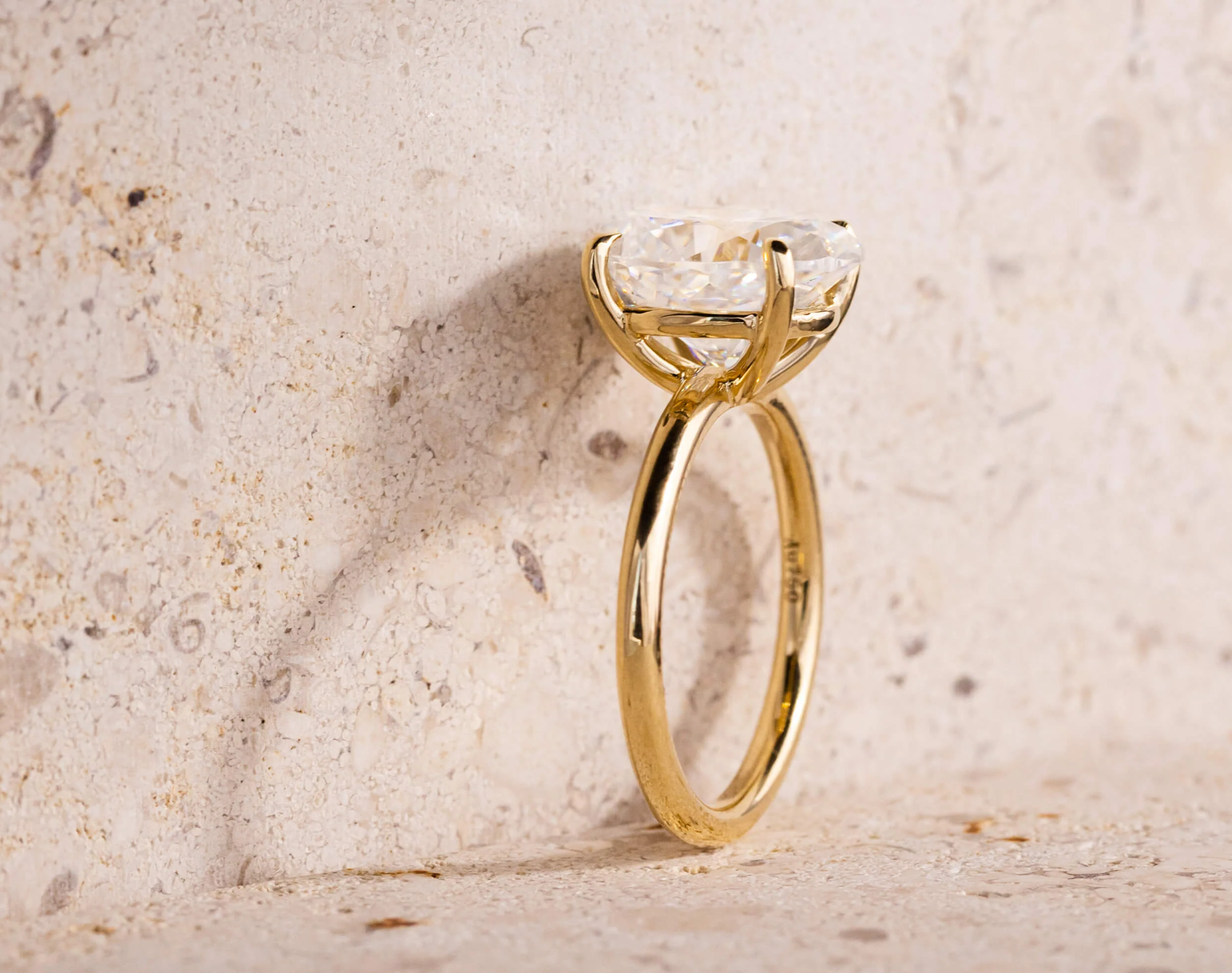
Starting off, lab grown stones are actual diamonds formed inside high tech labs. Identical on the molecular level, these gems match natural ones in makeup and look. Instead of coming from deep underground, though, they emerge from carefully managed settings. Seeing one up close, you would not tell it apart from an earth mined version. Price wise, they often come in lower despite offering the very same sparkle. Diamonds made in labs tend to be kinder to the planet, sidestepping harm linked to digging them up. A single carat grown in a lab might set you back 30 to half as much as one pulled from the earth, yet look just like it.
Lab Grown Diamond Necklaces Why People Pick Them
Start strong by thinking about what lasts. A lab grown diamond necklaces hold its own over time, not just catch eyes today. What matters? How solid the diamond feels, how fair the price looks. Enter lab made stones – they sit right there in necklaces, shining without question
- Cost efficiency without compromising quality
- Ethical sourcing and reduced environmental impact
- A broad mix of forms shows up in many ways. Different dimensions appear across styles that shift often. Shapes stretch into types built for change. Sizes fit patterns meant to adapt constantly
- Fresh from known farms, each item carries a verified stamp of care. Not just where it came from matters – how it was handled does too
Built in a lab, this diamond pendant carries no baggage – real sparkle without the old-world cost. Truth sits quietly in its glow, shaped by science instead of soil. A different kind of heirloom begins here.
Lab Created Diamonds How They Are Made
Fabricated underground, diamonds emerge through high pressure. One way uses intense heat alongside massive force to mimic Earth’s depths. Another path relies on gases breaking apart in a chamber filled with energy. Each technique shapes crystal structures over time without mining a single stone
- A deep earth setting gets copied here somehow – heat plus heavy squeeze shaping things just like below ground.
- A single breath of carbon-rich vapor begins the journey inside a chamber. Layer after layer settles slowly, guided by heat and pressure. Tiny crystals grow where gas turns solid on contact. Each moment adds just a trace more structure. This quiet buildup forms what eventually becomes diamond
Starting with how they’re shaped, these lab-grown stones go through cutting and polishing just like mined ones. Grading leans on familiar ground – cut, color, clarity, plus carat – but skips extra steps. What comes next is standard practice, nothing adjusted. Each diamond follows the known path lab created diamonds.
HPHT Example
A tiny diamond begins inside a closed space. Under extreme heat, pressure builds up slowly. Carbon particles gather around it piece by piece. Over time, they lock into place forming layers. The structure grows outward, shaped by steady force.
CVD Example
Floating within a sealed space packed with gas, a delicate film of diamond begins to coat a small plate. Slowly, day by day, the coating thickens into a complete gemlike structure prepared for shaping.
Evaluating a Lab Grown Diamond Necklace
When choosing your necklace, focus on:
- A stamp from GIA or IGI means someone checked it closely. Reports like those show what the stone really is. A trusted lab gives clearer details than a guess. When in doubt, check who wrote the findings. Proof matters most when buying something unseen
- Cut – a good cut ensures maximum sparkle
- Clarity – fewer inclusions make the diamond cleaner
- Fine grains shine brighter when held by platinum’s grip. Gold brings warmth, yet wears softer over time. Strength hides in the metal chosen behind the scene. A colder gleam follows platinum through years of use. Choices shape how light catches each edge later on
Pictures on screens show shape and detail, yet nothing beats holding a piece to catch how light dances across it. A description might list facts, still the true hue reveals itself only under natural glow.
Benefits Beyond Cost
A stone made in a lab might be easier on your wallet. For that same amount of money, consider getting something bigger or clearer. If digging up earth worries you, then how it’s sourced could make a difference. Making them above ground treads lighter on nature, since there is no open pit and less power used. A half-carat lab-made pendant usually runs cheaper than its earth-mined twin. That leftover money might go toward a sturdier link or something fancier in shape.
Caring for Your Necklace
Cleaning a lab grown diamond necklace? Just treat it like you would any real diamond. Start by soaking it in warm water with mild soap. After that, gently brush around the stone using a soft toothbrush. Rinse under clean water when done. Finally, pat dry with a lint free cloth – no rubbing needed
- Keep it safe inside a fabric bag or container
- Few drops of soap mix well with warm water. Gently rub the surface using soft motion. A cloth works fine here. Rinse after washing. Water should run clear when done. Dry with a towel slowly
- Check prongs and settings regularly
- Steer clear of strong chemicals or very high temperatures
A little attention now means fewer worries later. Sparkle fades fast without routine upkeep. Years of wear start with today’s habits. Missing links happen when maintenance slips. Damage waits for gaps in care.
Buying Practical Tips
- Pick how much you want to spend before thinking about carat weight. Size comes second when money is set early
- Check certification for authenticity
- Compare multiple stores or online sellers for value
- Think about metal type and chain length for comfort and style
- Possibility of selling down the line? Think about how well it holds worth. Upgrading someday could depend on what buyers will pay then. Future plans might hinge on today’s choice keeping its value. Worth tomorrow matters just as much as price today
Finding the right price means fewer regrets later on. A fair deal often comes from taking time at each stage.
FAQ
Fake? Not quite. These stones form inside machines, not deep underground. A sparkly outcome either way. Real is what you decide it to be.
True. Mined diamonds share identical chemical traits, plus their physical makeup matches exactly. Optical behavior stays unchanged too.
Lab created stones often drop in price quicker than mined ones.
Even though they might sell for less later, the starting price is smaller – so some people find that works better. Their worth drops faster, yet the first payment feels easier on the wallet.
Is it possible to spot the difference between a lab grown diamond and one dug up from the ground?
Without the right tools, it’s impossible. Proof comes from verified documents showing where things started and how they were made.